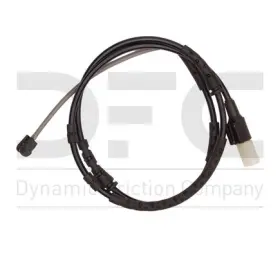
( Brand: Dfc ), ( Part Type: Wire Sensor ), ( Manufacturer Part Number: 341-31051 )
Review DFC Dynamic Friction Company Sensor Wire
The DFC 341-31051 Dynamic Friction Sensor Wire from Dynatect is a versatile and advanced solution for measuring friction forces in various industrial applications. This sensor is designed to provide precise and reliable measurements in real-time, ensuring optimal system performance and reducing potential wear and tear on equipment.
The DFC 341-31051 is a dynamic friction sensor, which means it's specifically engineered to measure the friction force between two moving surfaces. It's constructed from high-quality materials, including a rugged stainless steel housing and a sensitive strain gauge element. The sensor's resistance to harsh environments makes it an ideal choice for use in industrial settings, such as conveyor systems, packaging equipment, and material handling applications.
This sensor features a simple and intuitive two-wire connection, which makes it easy to integrate into existing control systems. It also comes with a built-in temperature compensation circuit, ensuring accurate readings even in changing temperature conditions. The sensor's output signal is proportional to the applied friction force, making it easy to interpret and act upon the data.
The DFC 341-31051 Dynamic Friction Sensor Wire is available in various lengths, with custom options available upon request. It's also backed by Dynatect's industry-leading technical support and customer service, ensuring that you have the resources you need to get the most out of your sensor.
In summary, the DFC 341-31051 Dynamic Friction Sensor Wire from Dynatect is a top-of-the-line solution for measuring friction forces in industrial applications. Its rugged design, easy integration, and precise measurement capabilities make it an essential tool for optimizing system performance, reducing wear and tear on equipment, and ensuring safety and efficiency in your industrial processes.
Dynamic Friction Sensor Wire, model DFC 341-31051, is a specialized measurement device used to detect and measure the frictional forces between two surfaces in motion. This sensor is widely used in various industries such as automotive, aerospace, and engineering for testing and research purposes. Here are some pros and cons of buying this Dynamic Friction Sensor Wire:
Pros:1. High-precision measurement: The sensor is capable of measuring very small frictional forces with high accuracy, making it an essential tool for researchers and engineers.
2. Versatile application: The sensor can be used in a wide range of applications, including engine testing, brake testing, and surface analysis, making it a valuable addition to any laboratory or testing facility.
3. Durable design: The sensor is designed to withstand high temperatures and harsh environments, making it suitable for use in industrial applications.
4. Easy to use: The sensor comes with a user-friendly interface and can be easily integrated with data acquisition systems, making it simple to use and analyze data.
Cons:1. Expensive: Dynamic Friction Sensors are more expensive than other types of sensors due to their advanced technology and specialized applications.
2. Requires calibration: The sensor needs to be calibrated regularly to ensure accurate measurements, which can be time-consuming and require additional equipment.
3. Limited availability: Dynamic Friction Sensors are not widely available, and it may take some time to source one from a reliable supplier.
In conclusion, the Dynamic Friction Sensor Wire, model DFC 341-31051, offers high-precision measurement, versatile application, and durable design, making it an essential tool for researchers and engineers in various industries. However, the sensor is expensive, requires regular calibration, and may be limited in availability.
Despite the cons, the benefits of the sensor far outweigh the drawbacks, especially for applications that require accurate measurement of frictional forces. Therefore, if you have the budget and the need for a high-precision friction sensor, then the DFC 341-31051 is a worthwhile investment.
part # 34131051 prices
- $15.85-$63.61
specifications wearwonka:
- brand: Dfc
- part type: Wire Sensor
- manufacturer part number: 341-31051
shipping wearwonka:
- type: Fixed
- service: Standard
- class: Standard
- transit: 3-7 Days
- cost: $0.00
seller wearwonka:
- # reviews: 51014
- rating: 97.0%
general wearwonka:
- Car Truck Parts Accessories > Brakes Brake Parts > Brake Pad Wear Sensors
- condition: New
payments wearwonka:
- credit card: Discover
- wallet: Apple-pay
- other
offer wearwonka:
- sold: 0
- best offers: True
- availability: In Stock
- started: June 3, 2025
- quantity: 5
- options: Ship-to-home
returns wearwonka:
- policy: Returns Accepted
- time: 30 Days
- paid by: Buyer
Dfc 341-31051 Is Similar To:
- Dfc 341-47007 Rr Disc Brake Pads Sensor Wire (59.6% similar) $11.69–$41.44. (August 24th, 2024)
- Dfc 341-46009 Dynamic Friction Company Sensor Wire (92% similar) $9.99–$24.99. (August 29th, 2024)
- Dfc 341-31091 Dynamic Friction Company Sensor Wire (98% similar) $25.99–$34.74. (August 29th, 2024)
- Dfc 341-31097 Dynamic Friction Company Wear Sensor (86% similar) $12.05–$27.99. (August 29th, 2024)
- Dfc 341-31083 Disc Brake Pad Wear Sensor-premium (55.1% similar) $13.65–$27.07. (August 30th, 2024)
- Dfc 341-32000 Disc Brake Pad Wear Sensor-sensor Wire Front Fits 02-08 Mini Cooper (44.3% similar) $24.76–$49.47. (August 30th, 2024)
- Dfc 341-11015 Disc Brake Pad Wear Sensor Fits 2016 Land Rover Range Evoque (45.2% similar) $11.70–$19.09. (September 1st, 2024)
- Dfc 341-02028 Disc Brake Pad Wear Sensor Fits 2005-2007 Porsche Boxster Cayman (42.2% similar) $31.68–$104.31. (September 1st, 2024)
- Dfc 341-31007 Disc Brake Pad Wear Sensor Fits 1995-2002 Bmw Z3 318ti (45.8% similar) $18.48–$37.99. (September 1st, 2024)
- Dfc 341-73002 Disc Brake Pad Wear Sensor Fits 2004 Volkswagen Golf (46.6% similar) $9.99–$130.36. (September 1st, 2024)
- Dfc 341-31022 Disc Brake Pad Wear Sensor Fits 2001-2006 Bmw M3 (48.2% similar) $12.40–$36.19. (September 1st, 2024)

5 offers $15.85–$63.61 USD
- Offer #1: $15.85 price + $12.50 delivery = $28.35* total. DFC Sensor Wire.+$12.50 shipping
- Offer #2: $52.40 price + $20.68 delivery = $73.08* total. Unit 6 Everitt Close Experienced support team.+$20.68 shipping
- Offer #3: $63.61 price + $26.99 delivery = $90.60* total. With this change, the individual components in all the systems need to interact with one another, each depending on very specific parameters designed into each part. 5000 Advanced Ceramic Front Disc Brake Pads (1551-1061-01) by Dynamic Friction Company.+$26.99 shipping
- Offer #4: $53.69 price + $28.87 delivery = $82.56* total. 5000 Advanced Ceramic Front Disc Brake Pads (1551-1061-00) by Dynamic Friction Company.+$28.87 shipping
- Offer #5: $52.40 price + $20.68 delivery = $73.08* total.+$20.68 shipping