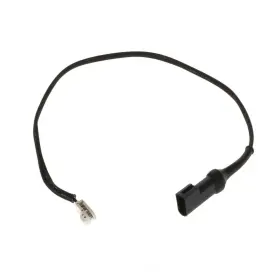
( Brand: Standard ), ( Warranty: 90 Day ), ( Manufacturer Part Number: PWS373 ), ( Type: Disc Brake Pad Wear Sensor )
Review STANDARD Motor Products Disc Brake Pad Wear Sensor
The PWS373 motor disc brake pad wear sensor is an essential component in ensuring the optimal performance and safety of your vehicle's braking system. This sensor is designed specifically for motor disc brake pads, monitoring their wear level and alerting the driver when it's time for replacement.
The PWS373 sensor utilizes a magnetic and electric design, which provides accurate and reliable wear measurements. The sensor consists of a magnetic plate installed on the brake pad and a proximity sensor that detects the magnetic plate's presence. When the brake pad wears down to a certain point, the magnetic plate is no longer in close proximity to the sensor, triggering the vehicle's brake warning light.
This sensor is designed for motor disc brakes, which are commonly used in modern vehicles. Motor disc brakes employ friction pads that clamp onto a rotor disc to generate braking force. The PWS373 sensor plays a crucial role in monitoring the wear of these pads, ensuring they are replaced before they reach a dangerous level, thus maintaining the overall safety and efficiency of the braking system.
The sensor's installation is typically straightforward, with most vehicles requiring no major modifications to install the PWS373 motor disc brake pad wear sensor. However, it is always recommended to consult your vehicle's owner's manual or a certified mechanic for specific installation instructions.
In summary, the PWS373 motor disc brake pad wear sensor is an indispensable component that helps maintain the safety and efficiency of your vehicle's braking system. By monitoring the wear level of motor disc brake pads, it alerts the driver when it's time for replacement, ensuring optimal braking performance and ensuring the safety of the vehicle's occupants.
Pros and Cons of Buying a Standard PWS373 Motor Disc Brake Pad Wear Sensor
1. Pros of Buying a Standard PWS373 Motor Disc Brake Pad Wear Sensor:a. Safety: A brake pad wear sensor is an essential safety feature that alerts the driver when the brake pads need replacement, preventing potential accidents caused by worn-out brake pads.
b. Early Warning: The sensor provides an early warning system, alerting the driver before the brake pads wear down completely, ensuring optimal brake performance.
c. Cost-Effective: Standard sensors are typically less expensive than proprietary ones, making them an affordable option for vehicle owners.
d. Easy Installation: Most standard sensors are easy to install and do not require any special tools or expertise, making them a DIY-friendly option.
e. Long Lasting: A standard sensor can last for several brake pad replacements, making it a long-term investment.
2. Cons of Buying a Standard PWS373 Motor Disc Brake Pad Wear Sensor:a. Compatibility: Standard sensors may not be compatible with all vehicle makes and models, requiring careful selection to ensure proper fitment.
b. Limited Features: Some standard sensors may not offer additional features like adjustable sensitivity or diagnostic capabilities.
c. Potential for False Alarms: A standard sensor may trigger a false alarm if it gets contaminated by brake dust or moisture, leading to unnecessary replacement of brake pads.
d. Lack of Brand Support: Since standard sensors are not manufactured by vehicle OEMs, there may be limited support available from the manufacturer if issues arise.
Conclusion:In conclusion, a standard PWS373 motor disc brake pad wear sensor offers several benefits, including safety, early warning, cost-effectiveness, ease of installation, and long-term investment. However, it also comes with some drawbacks, such as potential compatibility issues, limited features, false alarms, and lack of brand support. Ultimately, the decision to buy a standard sensor depends on the vehicle owner's priorities, budget, and level of expertise. If compatibility is a concern, it may be worth considering a proprietary sensor from the vehicle manufacturer. Otherwise, a standard sensor offers an affordable and effective solution for monitoring brake pad wear.
part # pws373 prices
- $12.93-$30.39
specifications wearwonka:
- brand: Standard
- warranty: 90 Day
- manufacturer part number: PWS373
- type: Disc Brake Pad Wear Sensor
returns wearwonka:
- paid by: Seller
- time: 30 Days
- policy: Returns Accepted
payments wearwonka:
- wallet: Paypal
- credit card: Mastercard
- other
shipping wearwonka:
- cost: $0.00
- type: Fixed
- service: Economy
- transit: 5-8 Days
- class: Economy
general wearwonka:
- condition: New
- Car Truck Parts Accessories > Brakes Brake Parts > Brake Pad Wear Sensors
offer wearwonka:
- availability: In Stock
- options: Ship-to-home
- started: March 19, 2025
- sold: 0
seller wearwonka:
- # reviews: 162
- rating: 95.0%
Standard PWS373 Is Similar To:
- Standard Ignition Pws140 Disc Brake Pad Wear Sensor - (70.9% similar) $24.07–$32.87. (August 30th, 2024)
- Standard Pws184 Disc Brake Pad Wear Sensor (78.8% similar) $29.18–$36.70. (August 31st, 2024)
- Standard Pws117 Disc Brake Pad Wear Sensor Fits 02-08 Mini Cooper (65.6% similar) $21.50–$31.93. (August 31st, 2024)
- Standard Motor Products Pws113 Frt Disc Brake Pads Sensor Wire (75.6% similar) $18.31–$20.25. (August 31st, 2024)
- Standard Motor Products Pws290 Disc Brake Pad Wear Sensor (87.7% similar) $27.30–$44.95. (September 1st, 2024)
- Standard Pws296 - Intermotor Front Disc Brake Pad Wear Sensor (81.4% similar) $31.45–$50.30. (September 4th, 2024)
- Standard Pws345 - Intermotor Front Disc Brake Pad Wear Sensor (83.1% similar) $55.56–$66.90. (September 4th, 2024)
- Standard Pws343 Import Disc Brake Pad Wear Sensor (84.9% similar) $27.03–$33.07. (September 4th, 2024)
- Standard Pws342 Import Disc Brake Pad Wear Sensor (83% similar) $41.87–$47.53. (September 4th, 2024)
- Standard Pws347 - Intermotor Front Disc Brake Pad Wear Sensor (84.7% similar) $11.87–$23.09. (September 4th, 2024)
- Standard Pws337 - Intermotor Front Disc Brake Pad Wear Sensor (84.7% similar) $26.58–$34.63. (September 4th, 2024)

5 offers $12.93–$30.39 USD
- Offer #1: $20.02 price + free delivery = $20.02* total. This part fits vehicles made in the following years 2020 Disc Brake Pad Wear Sensor.FREE SHIPPING
- Offer #2: $12.93 price + $20.77 delivery = $33.70* total. Intermotor Rear Disc Brake Pad Wear Sensor ( ) by Standard.+$20.77 shipping
- Offer #3: $30.39 price + free delivery = $30.39* total. Manufacturer :Standard Ignition Part Number.FREE SHIPPING
- Offer #4: $38.99 price + free delivery = $38.99* total.FREE SHIPPING
- Offer #5: $19.59 price + free delivery = $19.59* total. Mounting Location: Brake caliper Manufacturer Part Number.FREE SHIPPING