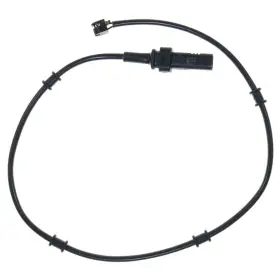
( Brand: Power Stop ), ( Manufacturer Part Number: SW-1225 ), ( Type: Disc Brake Pad Wear Sensor )
Review POWER STOP Sw1225 Disc Brake Pad Wear Sensor
The SW-1225 Disc Brake Wear Sensor, also known as a power brake pad wear sensor, is an essential automotive component that ensures the optimal performance and safety of your vehicle's braking system. This sensor is designed to detect when your disc brake pads have worn down to a certain threshold and signal your vehicle's anti-lock braking system (ABS) and brake warning light to alert the driver for pad replacement.
The SW-1225 disc brake wear sensor is typically installed on the rear wheel of vehicles that are equipped with an electric parking brake system. The sensor consists of a magnetic plate and a resistance element that interact to generate an electrical signal when the brake pads wear down. When the brake pads reach a specific thickness, the magnetic plate on the brake pad comes closer to the resistance element in the sensor, which increases the resistance and alters the electrical signal.
The ABS control module in the vehicle's electronic brain interprets this altered signal as a sign of decreased brake pad thickness and activates the brake warning light on the dashboard. The light serves as a critical reminder for the driver to replace the worn-out brake pads to maintain proper braking performance and prevent potential safety issues.
The SW-1225 disc brake wear sensor is precision engineered to provide reliable and long-lasting performance. The sensor housing is designed with a robust construction to withstand the demanding conditions of automotive applications. It also features electrical connections that are resistant to moisture and other environmental factors to ensure a consistent power supply and a reliable electrical connection.
Replacing the SW-1225 disc brake wear sensor is typically a straightforward process that can be done yourself or by a professional mechanic. It involves disconnecting the electrical connections, removing the old sensor, and installing the new one in the same location. Be sure to refer to your vehicle's specific service manual for detailed instructions and precautions.
In summary, the SW-1225 Disc Brake Wear Sensor is an indispensable safety feature for your vehicle's braking system. It monitors the thickness of the brake pads and sends a signal to the ABS control module and brake warning light when the pads need to be replaced. The sensor is engineered for durability and reliability, and its replacement is a straightforward process that ensures the continued optimal performance and safety of your vehicle.
Pros and Cons of Buying SW-1225 Disc Brake Pad Wear Sensors
The SW-1225 disc brake pad wear sensor is an essential safety component that alerts drivers when their disc brake pads need replacement. Here are some pros and cons to consider before making a purchase.
Pros:1. Enhanced safety: A wear sensor helps prevent unexpected braking failure by notifying drivers when it's time to replace their brake pads. This can be particularly beneficial in avoiding potential accidents and ensuring the overall safety of the vehicle.
2. Improved driving experience: By consistently monitoring pad wear, the sensor contributes to more responsive braking performance resulting in smoother rides.
3. Maintenance reminders: Continuously monitoring brake pad wear will provide drivers with accurate and timely reminders when it's necessary to replace their pads, ensuring that their vehicle remains in optimal condition.
4. Cost effective: Investing in a disc brake pad wear sensor can help prevent unnecessary replacements of quality pads due to the sensor's ability to precisely track their wear.
5. Can help reduce unnecessary repair costs: In some instances, vehicle manufacturers may require you to replace an entire brake caliper or rotor when only the pads are worn out. With the assistance of a wear sensor, drivers can focus on simply replacing the necessary pads, saving significant costs on major brake system repairs.
Cons:1. Cost: While a wear sensor can save money in some instances, it does come with an added upfront cost. For those with a tighter budget, it may be a less desirable option.
2. Additional installation process: Installing a disc brake pad wear sensor requires additional time and effort beyond the standard brake pad replacement process. It may be necessary to employ a professional mechanic for installation, adding to the overall expense.
3. Potential false positives: Budget or low-quality sensors may generate false positives, triggering a brake pad replacement reminder when the pads still have ample life left. This can lead to annoying repetitive warnings, and unnecessary labor and material costs.
4. Potential incompatibility: Some vehicles come equipped with original equipment manufacturer (OEM) sensors that may not be compatible with aftermarket brake pad options. In such cases, drivers may be forced to purchase more expensive proprietary sensors, limiting the cost-saving potential of purchasing an aftermarket sensor.
5. Can be overlooked during standard repairs: Some drivers or mechanic shops may overlook installing the disc brake pad wear sensor during routine maintenance visits. It's crucial to remember that the presence and functioning of the sensor is just as important as replacing the pads themselves.
Conclusion:Ultimately, weighing the pros and cons, the SW-1225 disc brake pad wear sensor offers significant benefits that justify the cost for safety-conscious drivers. Its enhanced safety features, improved driving experience, maintenance reminders, and potential cost savings make it a wise investment for those who prioritize the longevity and well-being of their vehicle's brake system. However, it's essential to note the additional cost, installation process, and potential false positives before deciding to purchase.
Based on the above information, our recommendation would be to consider investing in a disc brake pad wear sensor as part of an ongoing commitment to the maintenance and safety of your vehicle. While it represents an added expense, the potential benefits far outweigh the costs in the long run. It's also advised to research compatible sensors and reputable manufacturers to ensure you're getting a high-quality product.
part # sw1225 prices
- $32.99-$41.99
specifications wearwonka:
- brand: Power Stop
- manufacturer part number: SW-1225
- type: Disc Brake Pad Wear Sensor
shipping wearwonka:
- cost: $0.00
- transit: 5-10 Days
- type: Fixed
- class: Expedited
- service: Expedited
payments wearwonka:
- wallet: Apple-pay
- credit card: Mastercard
- other
general wearwonka:
- Car Truck Parts Accessories > Brakes Brake Parts > Brake Pad Wear Sensors
- condition: New
offer wearwonka:
- sold: 0
- started: November 9, 2024
- options: Ship-to-home
- quantity: 1
- availability: In Stock
seller wearwonka:
- rating: 96.3%
- # reviews: 26572
returns wearwonka:
- paid by: Buyer
- time: 30 Days
- policy: Returns Accepted
Power Stop SW-1225 Is Similar To:
- Power Stop Sw-1205 (48.6% similar) $13.55–$22.85. (August 25th, 2024)
- Auto Plus/power Stop Sw1614 Powerstop Brakes Disc Brake Pad Wear Sensor (68.3% similar) $24.65. (August 25th, 2024)
- Power Stop Sw-0324 (42.9% similar) $36.42–$65.79. (August 26th, 2024)
- Power Stop Sw-1206 (45.7% similar) $12.95–$25.71. (August 26th, 2024)
- Power Stop Sw-0510 (45.7% similar) $13.79–$16.95. (August 26th, 2024)
- Power Stop Sw-0513 Powerstop For 2004 Chrysler Crossfire Front Or Rear Euro-stop Electronic Brake (33.6% similar) $9.70–$19.63. (August 27th, 2024)
- Power Stop Sw-1673 Powerstop For 17-18 Audi A4 Front Euro-stop Electronic Brake Pad Wear Sensor (55.8% similar) $36.32–$65.99. (August 27th, 2024)
- Power Stop Sw-1540 Powerstop Sw 1540 Electronic Wear Sensors (60.7% similar) $18.35–$26.25. (August 27th, 2024)
- Power Stop Sw-1640 Powerstop For 17-20 Jaguar F-pace Rear Euro-stop Electronic Brake Pad Wear (46.9% similar) $16.96–$53.89. (August 28th, 2024)
- Power Stop Sw-0505 Rear Brake Pad Wear Sensor (78.4% similar) $9.49–$29.42. (August 28th, 2024)
- Power Stop Sw-0306 Front Disc Brake Pad Wear Sensor (81.6% similar) $6.59–$33.21. (August 28th, 2024)

5 offers $32.99–$41.99 USD
- Offer #1: $32.99 price + $14.99 delivery = $47.98* total. Brake Pads Brake Rotors Brake Calipers Big Brake Kits. The PowerStop Brake Pad Wear Sensor is an electronic component designed to monitor the condition of rear brake pads on compatible vehicles, including the 2022 2023 Cadillac CT5.+$14.99 shipping
- Offer #2: $41.99 price + free delivery = $41.99* total. Power Stop Disc Brake Pad Wear Sensor.FREE SHIPPING
- Offer #3: $36.81 price + free delivery = $36.81* total. Position: Rear. Cadillac CT5 2022-25.FREE SHIPPING
- Offer #4: $33.99 price + free delivery = $33.99* total. The PowerStop Brake Wear Sensors continue to work after thousands of miles, providing the safety and performance drivers count on. 2022-2025 Cadillac CT5 V Blackwing.FREE SHIPPING
- Offer #5: $23.99 price + free delivery = $23.99* total. Recognized ,CE Certified, and manufactured inISO 9001 certified facilities (logos printed on product). We assure 100% compatibility with yourSunnyway SW1225W battery.FREE SHIPPING